
AI Model Library: LLMs, Agents & Dev Tools
Curated reviews of mainstream AI models, agents, and dev tools — capabilities, use cases, and how they compare.
Tag: Embodied AI
29 article(s) found · Clear tag
Alpamayo 2 Super – NVIDIA's Open-Source Autonomous Driving AI Inference Model
Alpamayo 2 Super is an open-source autonomous driving AI inference model developed by NVIDIA based on the Cosmos 3 Super Reasoner. It features 360° omnidirectional environmental perception, advanced d...

Cosmos 3 Edge – NVIDIA's 4B Parameter Open-Source World Model
Cosmos 3 Edge is a 4B parameter open-source world model introduced by NVIDIA, specifically designed for real-time inference in robotics and edge AI. Based on the Nemotron architecture, the model integ...
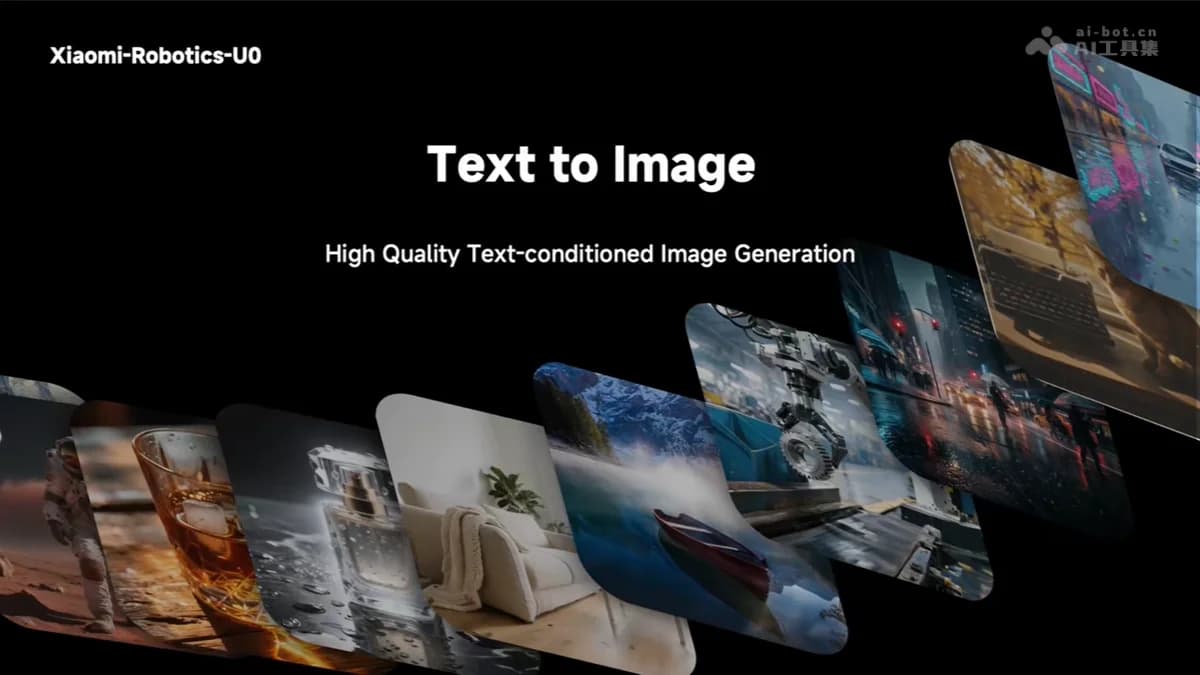
Xiaomi-Robotics-U0 – Xiaomi's Unified Embodied Synthesis Model
Xiaomi-Robotics-U0 is Xiaomi's unified embodied synthesis model with 38 billion parameters, trained continuously on the world foundation model, and jointly optimized for five major tasks: text-to-imag...
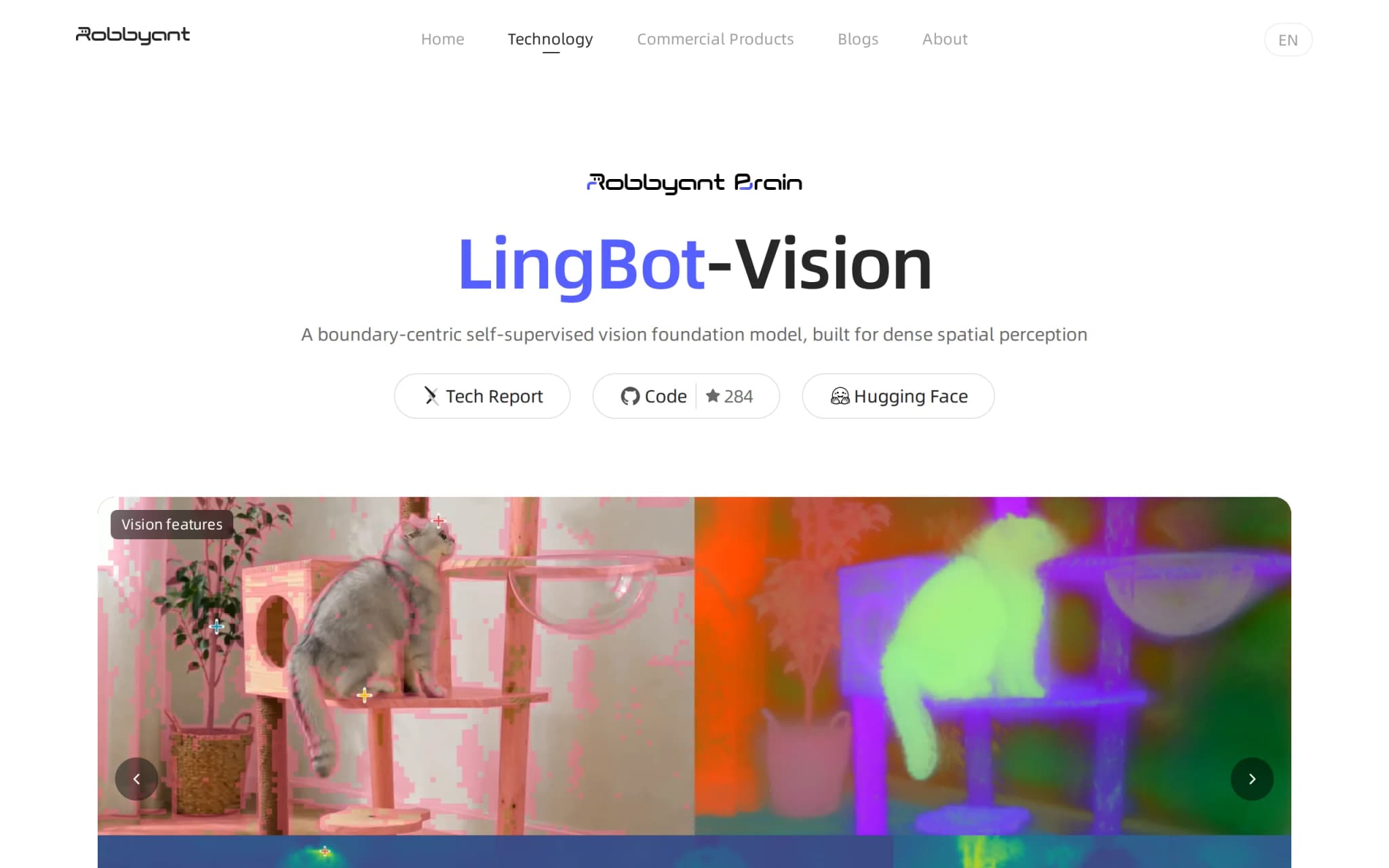
LingBot-Depth 2.0 – A Depth Completion Model Introduced by Lingbo Tech, Ant Group
LingBot-Depth 2.0 is a depth completion model introduced by Lingbo Tech, Ant Group, aimed at real-world scenarios. It also simultaneously open-sourced the visual foundation model LingBot-Vision. This ...
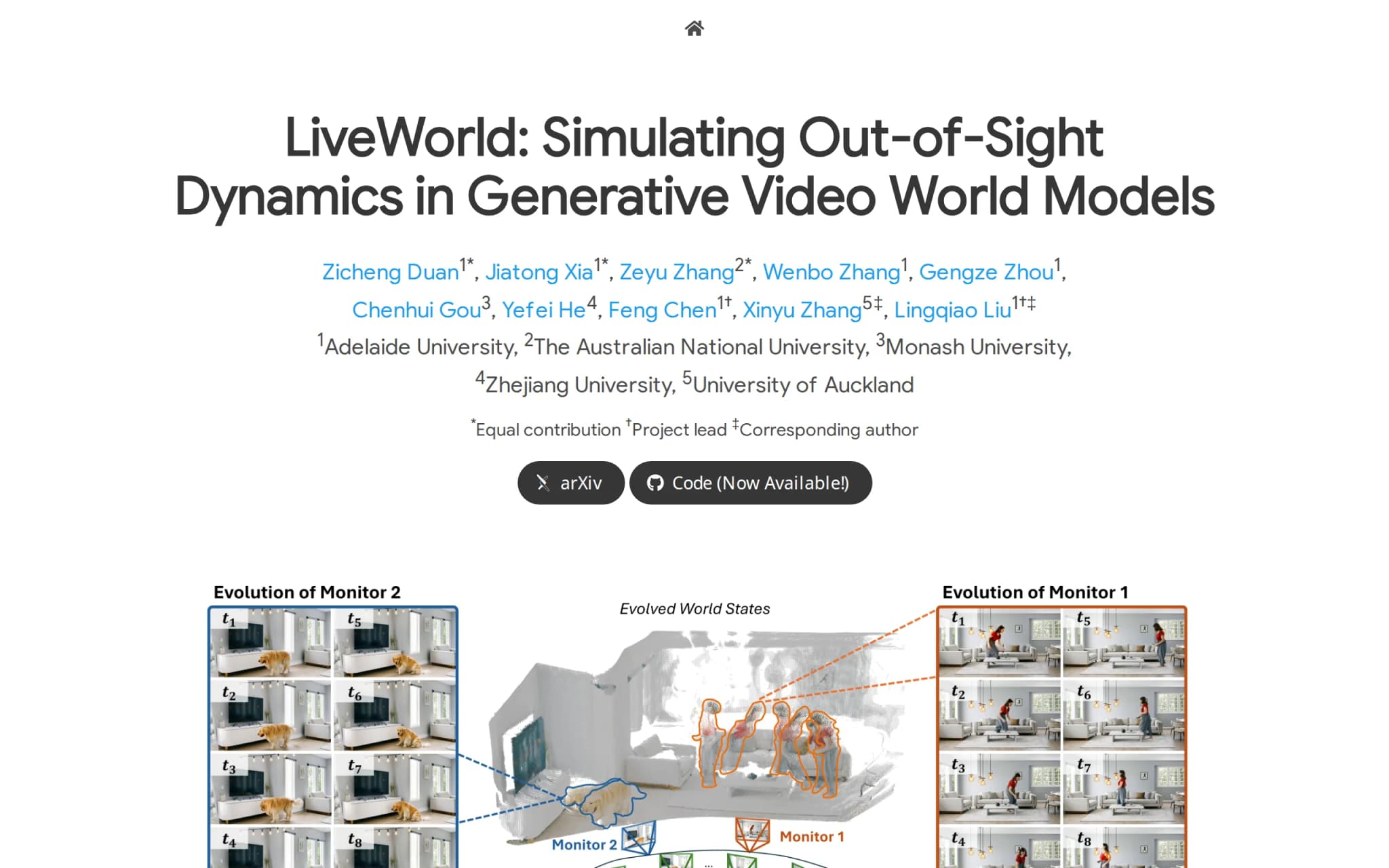
LiveWorld – Generative Video World Model from University of Adelaide and Others
LiveWorld is a generative video world model jointly developed by the University of Adelaide, the Australian National University, and other institutions. Its core focus is solving the problem of out-of...
LocateAnything – NVIDIA's Visual Language Grounding Model
LocateAnything is a visual language grounding model developed by NVIDIA, based on Parallel Box Decoding (PBD) technology. Users can input natural language to precisely select targets in images. With 3...

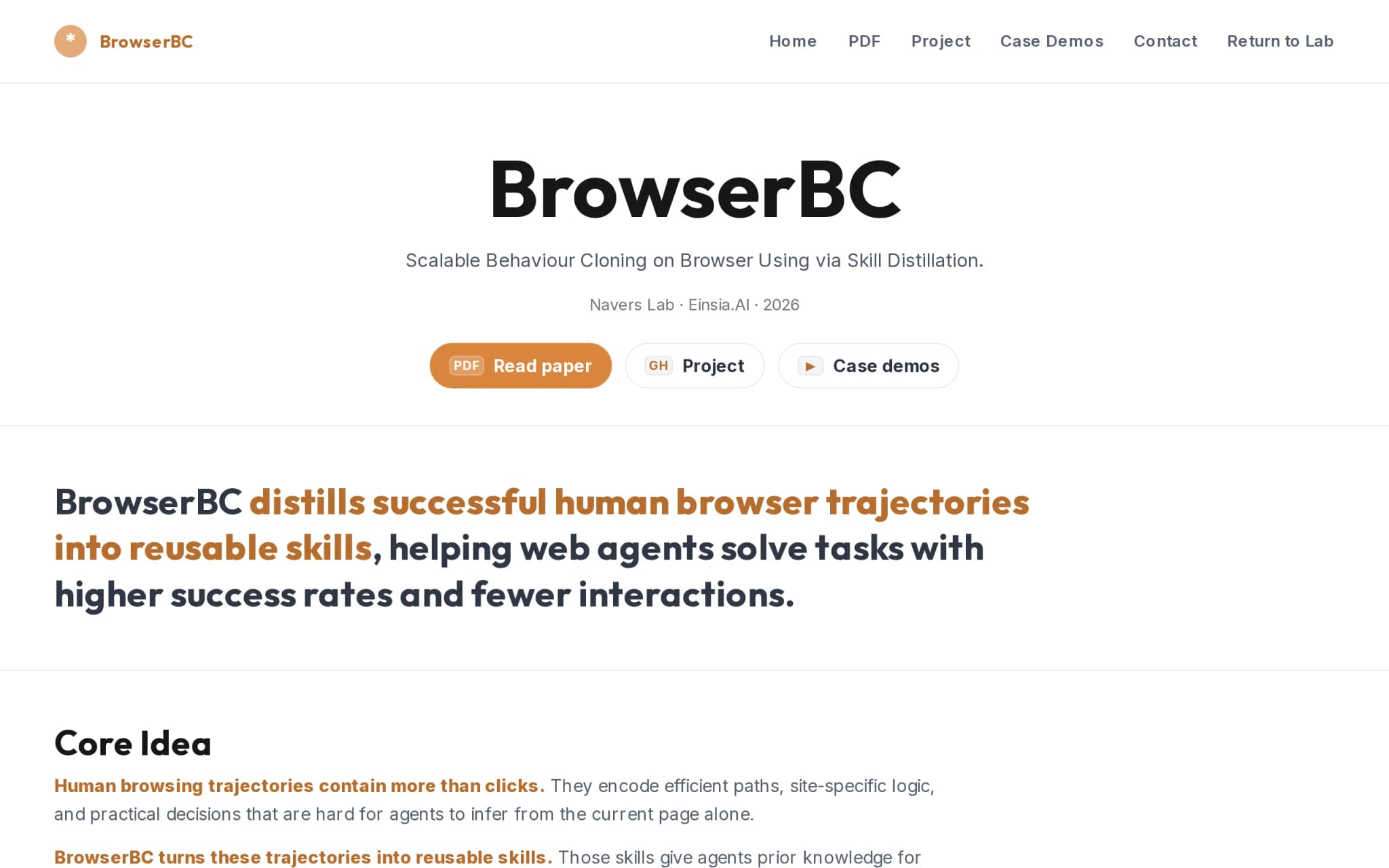
BrowserBC – An Open-Source Browser Operation Trajectory Generation Skill by Einsia AI
BrowserBC is an open-source project released by Navers Lab under Einsia AI. Its core goal is to transform human browser operation trajectories into reusable natural language skills, enabling Web Agent...
OpenHuman – Open Desktop AI Assistant with Proactive Work Context
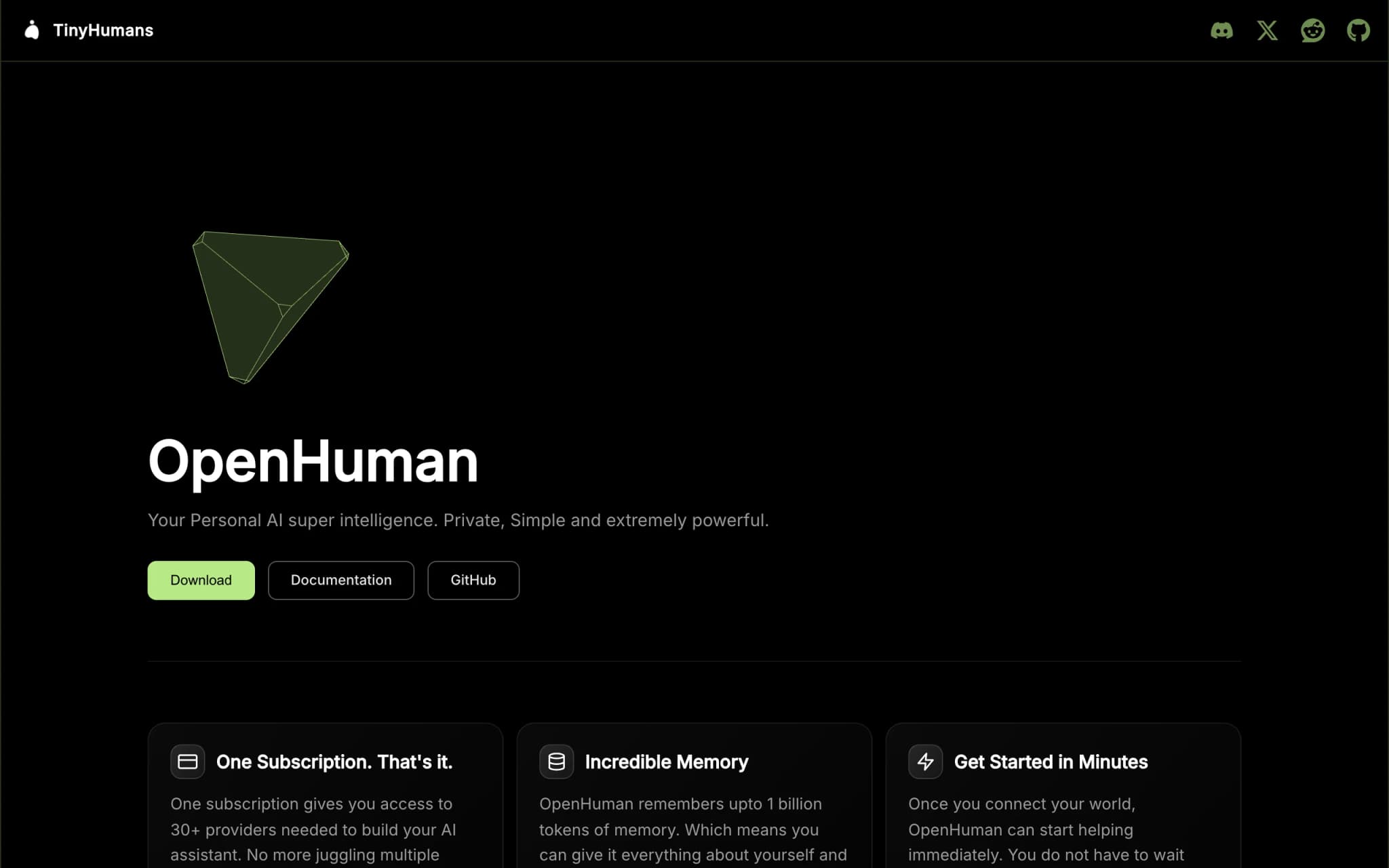
OpenHuman is an open desktop "personal AI super intelligence" from tinyhumansai—not a passive chatbot but a desktop agent that proactively senses work context. Every 20 minutes it syncs 118+ third-par...
Agora-1 – Odyssey's First Multi-Agent World Model
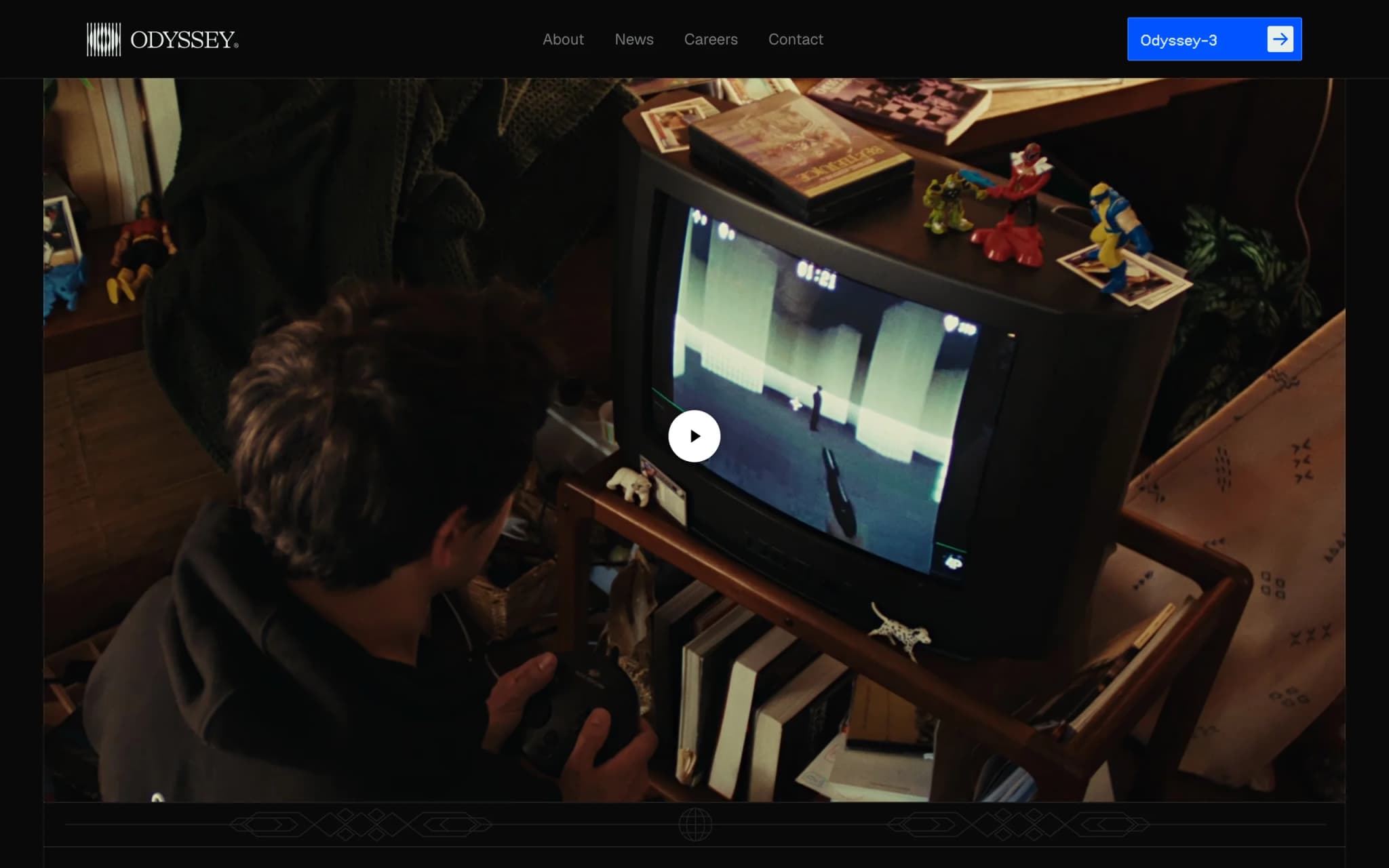
Agora-1 is Odyssey's first multi-agent world model, breaking past the single-user limits of traditional world models by enabling humans and AI to interact in the same real-time generated world simulat...
Wall-OSS-0.5 – X Square Robot’s Open Embodied Intelligence Model
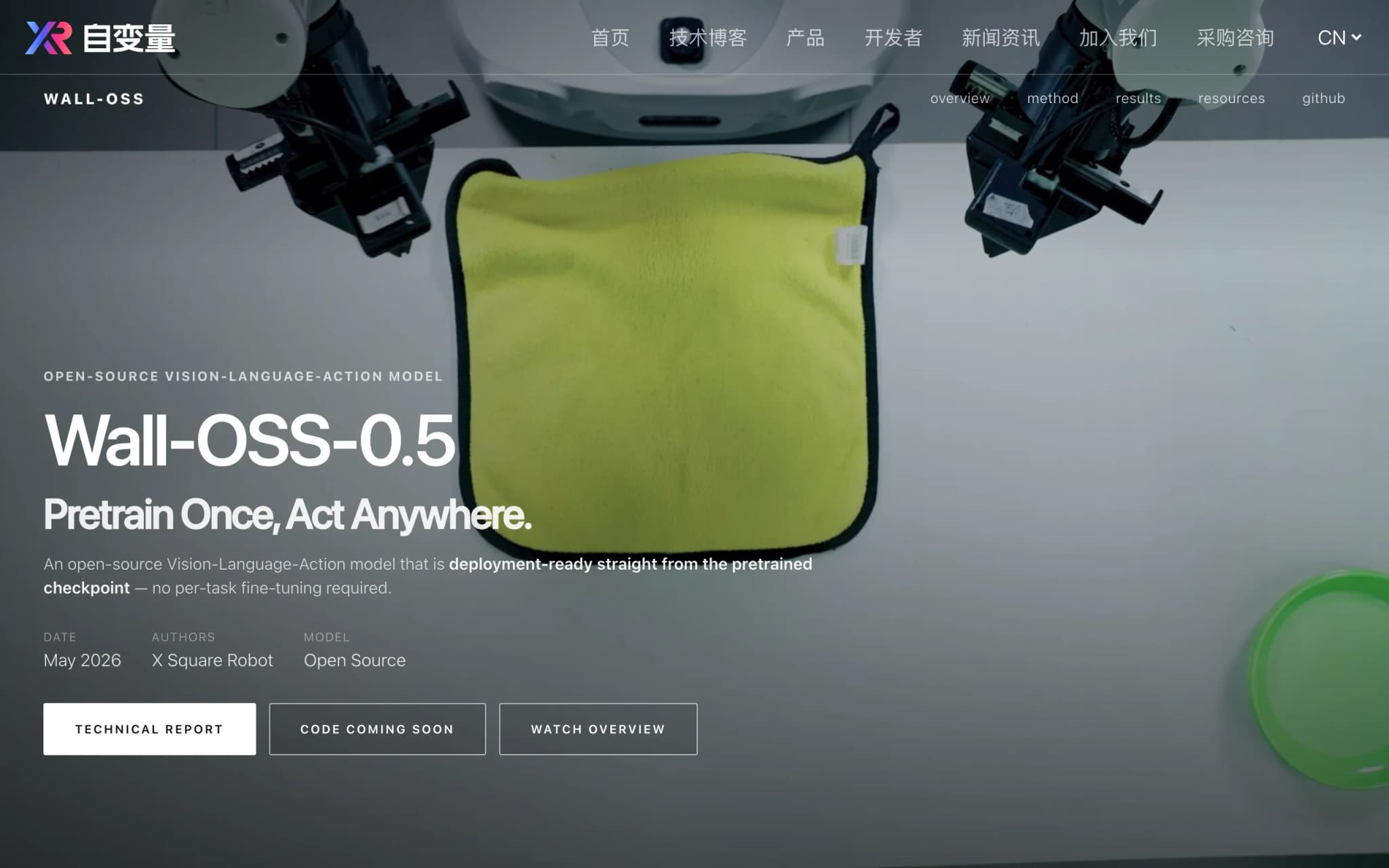
Wall-OSS-0.5 is X Square Robot’s open vision-language-action (VLA) model—a 4B-parameter stack on a 3B Qwen2.5-VL backbone achieving zero-shot real-robot deployment without per-task fine-tuning. Gradie...
Subscribe to AI Model Reviews
Get in-depth reviews the moment a new AI model drops. Know its capabilities and use cases.
We never share your email. Unsubscribe anytime.