
In-Depth Review of Kling Image 4.0: Kuaishou's Next-Generation Image Creation Model
Executive Summary:
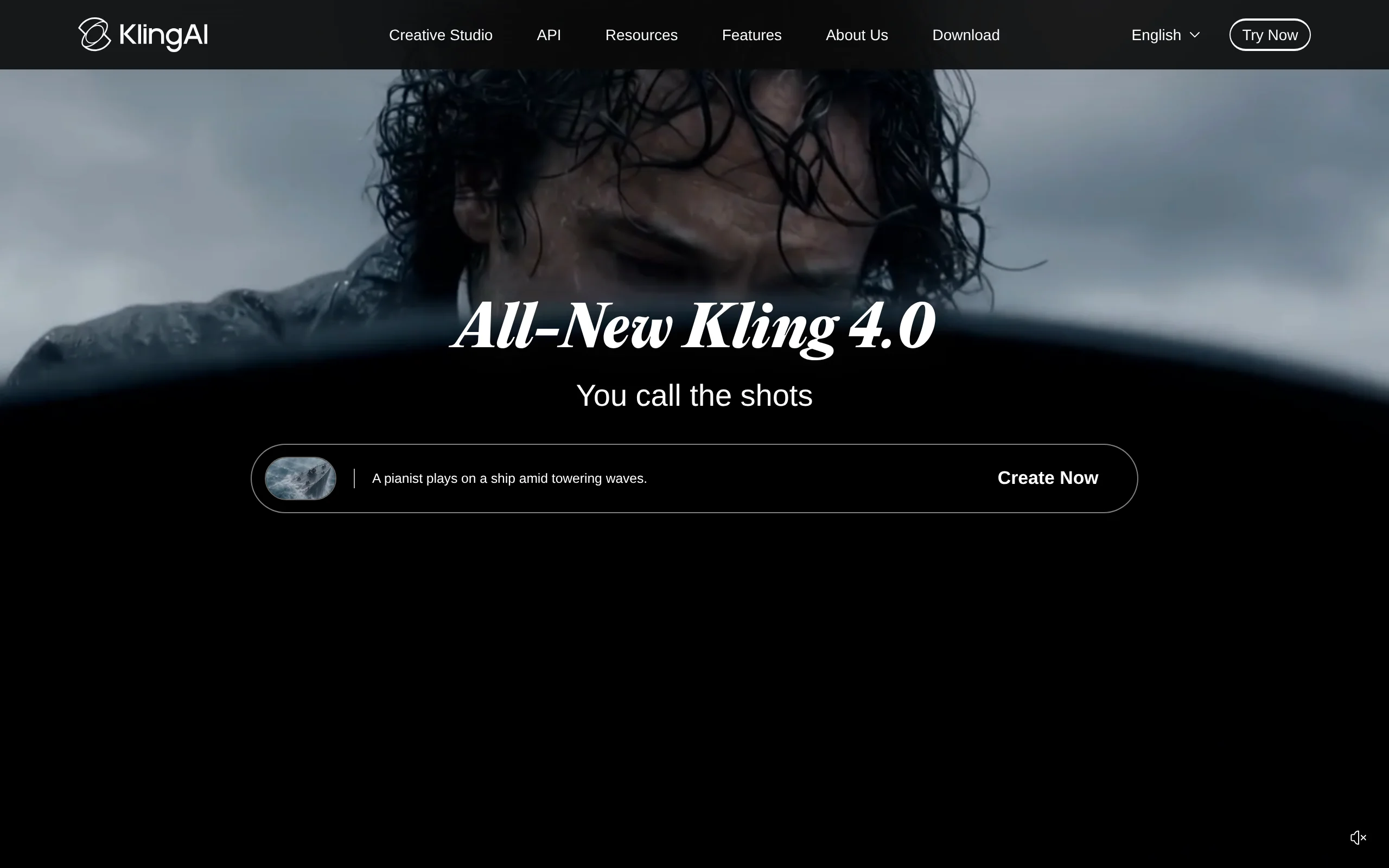
Kling Image 4.0 is Kuaishou's next-generation image creation model, which first adopts a unified understanding and generation architecture, integrating visual comprehension and image generation into a...
1. What is Kling Image 4.0
Kling Image 4.0 is Kuaishou's next-generation image creation model, which first adopts a unified understanding and generation architecture, integrating visual comprehension and image generation into a single model framework. It can simultaneously understand the creative intent and visual information. The model achieves photorealistic quality close to direct camera output, natively supports 8K ultra-high-definition output, high-precision text layout with up to 2000 characters per image, the generation of 10 images with consistent style in one go, and the creation of ultra-long formats such as e-commerce product detail pages. As the core image model of the Keling AI series, Kling Image 4.0 explicitly integrates physical laws and visual perception into the generation process, with a focus on optimizing high-frequency details such as skin texture, material details, and light-shadow transitions, providing professional creators with an efficient solution from concept to final product.
Technical Positioning and Domain: Belongs to the field of image generation models at the intersection of computer vision and natural language processing, focusing on text-to-image generation, image editing, and multimodal understanding. It has established a differentiated advantage in two subfields: text rendering and ultra-high-definition output.
Development Background: Developed by Kuaishou's AI team, leveraging the technical accumulation of the Keling AI platform. Kuaishou has already achieved success in the video generation domain with the Kling series of models. This time, the company is extending its technical capabilities to static image creation, aiming to address the shortcomings of traditional generation models in terms of realism, text rendering, and ultra-long format output.
Core Value: Addresses three major pain points of traditional image generation models – the "plastic feel" caused by distorted light and texture, the blurriness and chaos of text rendering within images, and the structural instability in generating ultra-long formats. Its unified understanding and generation architecture reduces semantic information loss at the fundamental level, making the generated results more aligned with the creative intent.
Technical Features: The model supports input of up to 15,000 tokens of long text, includes over 70 commercial fonts, provides more than 110 preset tonal styles, and supports extracting custom color and lighting styles from reference images. In terms of image consistency, it can generate up to 10 images with a unified style from a single description, meeting the needs of multi-scenario creative production.
2. Key Features
Realistic Rendering: The model explicitly integrates physical laws and visual perception into the generation process, with a focus on optimizing the representation of high-frequency details such as skin texture, material nuances, and transitions between light and shadow. When light falls on different surfaces like skin, glass, or metal, it produces physically intuitive variations in texture and highlights/shadows, effectively avoiding the common plastic-like appearance and lighting distortions found in traditional generative models. The output images are closer to the direct results from a smartphone or camera.
Native 8K Ultra HD Generation: For the first time, an image generation model supports 8K ultra HD output, significantly enhancing the richness of visual details that can withstand close inspection when zoomed in. High-resolution output provides ample space for high-definition display, large-format printing, and post-production cropping and editing, meeting the strict quality requirements of professional photography and commercial design.
Exceptional Text Rendering Capability: A single image can generate up to 2000 characters, with small font sizes remaining clear. It supports complex layouts and the mixed presentation of seven languages. By treating text as an integral part of the visual design, the model coordinates text arrangement, image composition, and subject presentation, leveraging its built-in library of over 70 commercial fonts and its ability to extract reference image styles.
Tone and Style Customization: The model includes over 110 preset tonal styles, covering a wide range of visual aesthetics from vintage film to modern digital. Users can also upload reference images, allowing the model to extract personalized color and lighting styles, achieving precise reproduction of individual visual tones.
Coherent Series Image Generation: A single description can generate up to 10 images that share a consistent style but each emphasize different aspects. The model's agentic capabilities automatically plan the content distribution for each image, ensuring consistency in character portrayal, environmental atmosphere, and visual style. This is ideal for creative scenarios requiring multiple images, such as storyboard design and series of posters.
Long Image and Full-Page Design: Supports the generation of ultra-long formats such as e-commerce product detail pages and web visual drafts, allowing product descriptions and functional copy to be directly formatted into the image. This capability extends image generation from single-image creation to full-page design output, directly meeting the visual solution needs of commercial applications.
Intelligent Text Editing Within Images: Users can directly modify the text content and font style within a generated image through instructions. This feature bridges image generation with post-production editing, avoiding redundant efforts of regenerating images and improving the efficiency of creative iteration.
3. Application Scenarios
E-commerce Marketing: Generate long-form images and a series of product display images with a single click. Product descriptions, functional parameters, and textual explanations are directly formatted into the image, eliminating the complicated process of separating and recombining text and images in design software. Brands can produce a large volume of visually consistent product materials in a uniform style.
Advertising Posters: Merge large headlines, slogans, and visual elements seamlessly, making it ideal for design scenarios requiring emphasis on textual information, such as event promotions and brand collateral. The model's precise text rendering solves issues like blurry headlines and disordered fonts commonly found in traditional AI-generated content.
Film and Content Storyboarding: Generate up to 10 storyboards in a consistent style and coherent narrative with a single operation, accelerating the pre-production visual planning process. Directors and content creators can quickly convert textual scripts into visual storyboards, providing an intuitive reference for team communication and concept reviews.
Web and Brand Design: Rapidly produce ultra-long format visual drafts for brand web pages, serving as initial design concepts and proposal references. Designers can make detailed adjustments based on AI-generated content, delegating repetitive layout exploration to the model and focusing their efforts on creative refinement.
Self-media and Everyday Content Creation: Obtain stylized images such as realistic portraits and retro film effects instantly. The text within the images can be directly edited and published. Content creators no longer need professional design skills to acquire high-quality visual assets with a polished finish.
4. How to Use
Access the Platform: Open your browser and visit the official website of Kling AI (kling.ai), then register or log in to your account. Kling Image 4.0 is provided via cloud services, eliminating the need for local installation or GPU environment configuration, thereby reducing the barrier to entry.
Select the Model: Enter the image generation interface and switch the current model to Kling Image 4.0 in the model selection area. It is recommended to confirm that the interface displays the 4.0 version identifier to ensure that you are using the latest architecture and all available features.
Input Description: Enter your creative requirements in the prompt box. It supports complex instructions with up to 15,000 tokens, including detailed scene descriptions, style requirements, composition explanations, and text formatting instructions. Users can also upload images as style references, and the model will extract color and lighting features from them.
Adjust Settings: Choose options such as aspect ratio (e.g., landscape, portrait, square), tone style, and built-in fonts based on your needs. In group image scenarios, you can specify the number of images to generate (up to 10). In long image scenarios, you can set the image length and content for each section.
Generate Images: Click the generate button and wait for the model to output the results. Group images and long images will automatically display the complete content as planned. After generation, you can view the overall effect and detailed performance.
Edit and Refine: Select a satisfactory image and use natural language instructions to let the model intelligently modify the text content or font style within the image, without needing to regenerate the entire image.
Save and Use: Download the high-resolution original image (up to 8K resolution), which can be used for display, advertising, printing, or secondary cropping and editing. It is recommended to choose an appropriate resolution based on your intended use to balance image quality and file size.
5. Pros and Cons Analysis
| Pros |
|---|
| Unified Understanding and Generation Architecture: Integrates visual understanding and image generation into a single model framework, establishing a complete workflow from interpreting creative intent to producing visual content. This reduces information loss compared to traditional two-stage architectures, resulting in more harmonious and natural composition and lighting effects. |
| Native 8K Output Capability: For the first time, an image generation model supports 8K ultra-high definition output, providing rich details suitable for high-definition display and post-production cropping, offering a higher quality ceiling for professional commercial design. |
| Outstanding Text Rendering Ability: Can generate up to 2000 characters in a single image with clear small text, supporting seven languages and over 70 commercial fonts. This provides a clear advantage in scenarios with dense layouts such as menus, posters, and e-commerce product detail pages. |
| Group Image and Long Image Capabilities: Can generate up to 10 images with consistent style in one go, supporting ultra-long formats for e-commerce product detail pages and web design. The Agentic capability automatically plans content distribution, improving efficiency and consistency in multi-image creation. |
6. Comparative Analysis with Similar Tools
| Comparison Item | Kling Image 4.0 (Kuaishou) | GPT Image 2.6 |
|---|---|---|
| Core Positioning | Professional image creation and design tool, focusing on realism and text layout | General image generation, balancing speed and detail with dual-tier design |
| Version Structure | Single model | Flare (fast, minimum 6 seconds) + Sunburst (detailed, approximately 9 seconds) dual-tier |
| Maximum Resolution | Native 8K | Longest side 3840px (4K) |
| Text in Images | Up to 2000 characters per image, 7 languages, 70+ commercial fonts | Text rendering significantly enhanced, suitable for dense layouts such as menus and labels |
| Prompt Capacity | Up to 15,000 tokens | Third-party API prompt limit of 32,000 characters |
| Multi-image Generation | Up to 10 images at once, with Agentic automatic planning of content division | Single image returned per request, with editing support for up to 6 reference images |
| Long Image Support | Supports ultra-long formats such as e-commerce product detail pages and web design | Not supported |
| Special Output Formats | 8K high-definition static frames | GIF animation (2–64 frames) + SVG vector graphics |
| Editing Control | Smart modification of text and fonts within images | Markup selection annotation editing + complexity planning parameters |
| Generation Speed | To be officially announced | Approximately 50% faster than previous generations |
7. Editor's Summary
The release of Kling Image 4.0 highlights Kuaishou's technical investment direction in the field of image generation: no longer limited to improving visual aesthetics, but instead focused on addressing three core challenges in practical creation—realism, text rendering, and ultra-long image formats. The design philosophy of the unified generation architecture fundamentally changes the information loss issues inherent in the traditional two-stage "understanding + generation" architecture, allowing the model to continuously refer to its understanding of semantic and visual information during the generation process. This represents a noteworthy technical innovation.
In terms of practical value, the native 8K output and the ability to render 2000 Chinese characters in a single image provide effective solutions to two high-frequency commercial design needs—high-resolution display and integrated text-image output. The model's capability to generate long-form images for e-commerce product detail pages and series of grouped images directly responds to the demands of batch production and visual consistency in commercial content creation, potentially enhancing the efficiency of relevant roles.
This model is suitable for e-commerce designers, advertising creatives, film storyboard artists, and content creators, especially those who frequently handle text-image integration and series-based visual outputs. For creators pursuing experimental artistic styles, this model may not be the preferred choice. As future versions continue to iterate and the API ecosystem matures, the practical application value of Kling Image 4.0 in the image generation domain is worth ongoing attention.
8. FAQ
Q: What is the core difference between Kling Image 4.0 and traditional image generation models?
A: The core difference lies in its unified understanding and generation architecture, which integrates visual understanding and image generation into a single model framework. Traditional models typically parse instructions using separate modules before passing them to the generation module, resulting in information loss between the two stages. The unified architecture enables the model to continuously refer to its understanding of semantic and visual information during the generation process, allowing it to more accurately capture the relationships between characters, objects, and environments.
Q: What hardware and storage requirements are there for 8K output from Kling Image 4.0?
A: Since the model is provided as a cloud service, users do not need high-performance GPUs on their end. 8K resolution image files are large in size, so it is recommended to ensure sufficient storage space and choose an appropriate output resolution based on actual use cases to avoid unnecessary storage and transmission costs.
Q: How can I ensure that a series of images generated by Kling Image 4.0 maintain a consistent style?
A: In multi-image generation scenarios, the model automatically plans the content distribution for each image, maintaining consistency in character appearance, environmental atmosphere, and visual style. Users can also explicitly specify unified style keywords, color schemes, or tonal styles in the prompt, or upload a reference image to serve as the style benchmark.
Q: Which languages does Kling Image 4.0 support for text rendering?
A: The model supports text generation in seven languages, including Chinese, English, and other major languages, with more than 70 commercial fonts built-in. Users can specify the desired language and font style in the prompt, and the model will treat the text as part of the visual design, ensuring clarity and stylistic consistency.
Q: Can the text content in generated images be modified after image creation?
A: Yes. Kling Image 4.0 supports intelligent modification of text content and font styles in already generated images. Users can directly input new text instructions without needing to regenerate the entire image, which provides convenience for iterative creation.
9. Project Links
- Official website of Kling AI: https://kling.ai (you can access the image creation interface after entering)
- Official app entry: https://kling.ai/app
- Kling Image 4.0 User Guide: https://kling.ai/quickstart/kling-image-4-user-guide
- Official image generation entry: https://kling.ai/feature/kling-4-ai-video-generation
- Third-party feature description page (kling3.io): https://kling3.io/zh/kling-image-4
Related
OpenMotion – Open-Source AI Video Recreation Tool, Replicate Videos Using Brand Assets
OpenMotion is an open-source intelligent video production tool. Its core capability lies in deeply analyzing reference videos through AI, extracting the sequence of shots, transition logic, and narrat...
GPT-6.2 Astra – OpenAI's Flagship Large Model
GPT-6.2 Astra is OpenAI's flagship cutting-edge model, designed as a specialized solution for complex professional projects. Compared to its predecessor, GPT-6 Astra, this model has achieved significa...
WeVisOne-VL Evaluation: WeChat's Vision Team Explores Unified Vision-Language Modeling with a Single Token Prediction Architecture
WeVisOne-VL is an open-source dual-version vision-language foundation model developed by Tencent's WeChat Vision Team, built upon the Qwen3-VL architecture, and offers two parameter scales: 2B and 4B....
OXR: SoMark's Open-Source 1.3B Document Parsing Model, a New Intelligent Document Understanding Option for Agents
OXR is an open-source 1.3B parameter document parsing model developed by SoMark. It specializes in converting PDFs and document images into structured Markdown/JSON data that is agent-friendly. The mo...
© All Rights Reserved. Some content on this site is partially generated by AI with human review.